Generations, Technology, and Trust: Exploring the Shift in How We Pay Today
How advancements in technology and evolving generational behaviors are transforming our payment methods today, influencing trust dynamics and raising new digital standards.
The Major Shift in Payments: Looking Back, Now, and Ahead
How people pay for goods and services is evolving just as quickly as the tech they carry everywhere.
From smartphones and biometrics to digital wallets and even payments you don’t see, daily financial habits are being reshaped.

So, what’s driving these changes in how we pay?
The Beginning: Moving from Card Habits to a Digital-First World
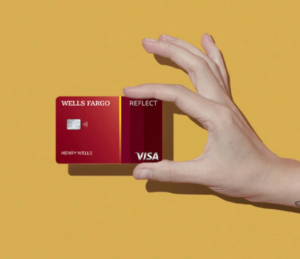
For many years, credit and debit cards were the preferred choice for consumers. The appeal was clear: security, ease of use, and the benefits of credit.
Plastic cards became a hallmark of financial freedom and a critical way to build credit history — foundational elements in U.S. financial life.
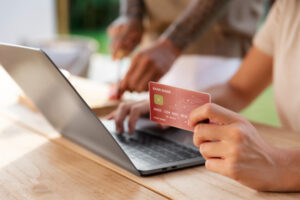
Yet, after 2020, rapid digital advances changed this dynamic. Tap-to-pay options, contactless devices, and online shopping evolved from rare conveniences into everyday standards.
Now, payment apps rival traditional banks, wearables enable payments with a simple wrist motion, and stores offer seamless checkout as you enter.
Today’s consumers have shifted from saying “I pay with a card” to experiencing “payments that just happen automatically.”
How Different Generations Prioritize Payments
Technology affects each generation uniquely. Every age group approaches trust and money in its own distinct way.
Baby Boomers: prioritizing security first
Boomers trust long-standing institutions and value face-to-face service. Many still favor physical cards and visiting banks in person.
Security is more important to them than ease of use. Though they are starting to use banking apps, their adoption is gradual.
Generation X: navigating between tradition and modern tech
This in-between generation witnessed the shift from analog to digital. They still rely on cards heavily but have adapted well to digital wallets like Apple Pay and PayPal.
They tend to embrace new technology when it clearly offers useful and tangible advantages.
Millennials: the generation of convenience
Having grown up online, Millennials find waiting in lines—even to pay—unnecessary. They value speed, seamless experiences, and payments that integrate smoothly with their everyday apps.
They lead the surge in mobile payment adoption and fintech innovation.
Gen Z: trust encoded in technology
Digital natives don’t doubt technology itself—they challenge traditional authorities instead.
They adopt cryptocurrencies, QR code payments, and novel trends like micro-transactions on social media.
To them, money is programmable rather than tangible.
These generational differences form a complex behavioral pattern where a single store must cater both to the customer paying with cash and the one who expects to leave without ever stopping at a checkout counter.
Technology: The Driving Force Behind Change
Artificial Intelligence
AI customizes deals, detects fraud, and accelerates the process of approving credit.
Intelligent detection tools track spending habits instantly to protect transactions — an essential element in building consumer confidence.
Contactless and biometric payment methods
From fingerprint scans and facial recognition to simply tapping a phone, authentication is now seamlessly integrated into how we pay.
Using biometric identifiers instead of passwords boosts security while keeping the payment process smooth and effortless.
The growth of invisible payment options
Many places like supermarkets, car rental agencies, and transportation services now use sensors and connected accounts to bill customers automatically.
The transaction happens seamlessly—no wallet, card, or checkout needed.
Trust: The Unseen Factor
Choosing a new payment option hinges not just on ease, but on a sense of security—both emotional and digital.
Trust rests on three core foundations:
- Protection of data
- Trust in institutions
- Smooth user experience
The Three Pillars Influencing Consumer Behavior
When generation, technology, and trust intersect, they create a new landscape of financial habits. What shapes payment choices goes beyond the purchase itself and includes factors like:
✔ age combined with digital familiarity
✔ degree of confidence in financial organizations
✔ willingness to adopt new tech platforms
✔ situational use (retail stores, travel abroad, online shopping, mobile apps)
Looking Ahead: Payments That Understand Us
Three key trends will drive the evolution of payments in the U.S. moving forward:
🔹 Shifting from ownership to access — fewer physical cards, more digital identities
🔹 Moving from control to context — payments adjusting to the situation
🔹 Transitioning from choice to automation — systems picking the optimal payment method at checkout
Conclusion: Our Changing Selves Explain Why We Pay Differently
It’s not just how we pay that’s evolving — it’s the way consumers behave and make choices.
With fresh generations bringing new demands and technology fading into the background, paying becomes less of a separate action and more a seamless part of the overall experience.
We pay differently now because we ourselves have evolved: increasingly connected, more discerning, and keenly aware of the trade-off between ease and trust.
With innovation advancing so rapidly, the future of consumer payments in the U.S. will soon be housed in something even more compact than a wallet.

Related content
Hidden Insurance Markets: What You’re Missing
Explore hidden insurance options designed for modern U.S. travelers seeking extra protection for adventure, tech gear, and unique trip risks.nn
Keep reading * You will remain on the current website