
Current Inflation Patterns and Their Impact on Credit Card Rewards
Uncover how inflation in the U.S. during 2025 will affect your credit card rewards, and learn smart tactics to maximize your cashback, points, and miles.
Post-Inflation Overview: Are Credit Card Rewards Still Worth It?
The U.S. is facing a tough inflation environment: although rates have dropped from their recent peaks, rising prices continue to challenge consumers’ purchasing power.
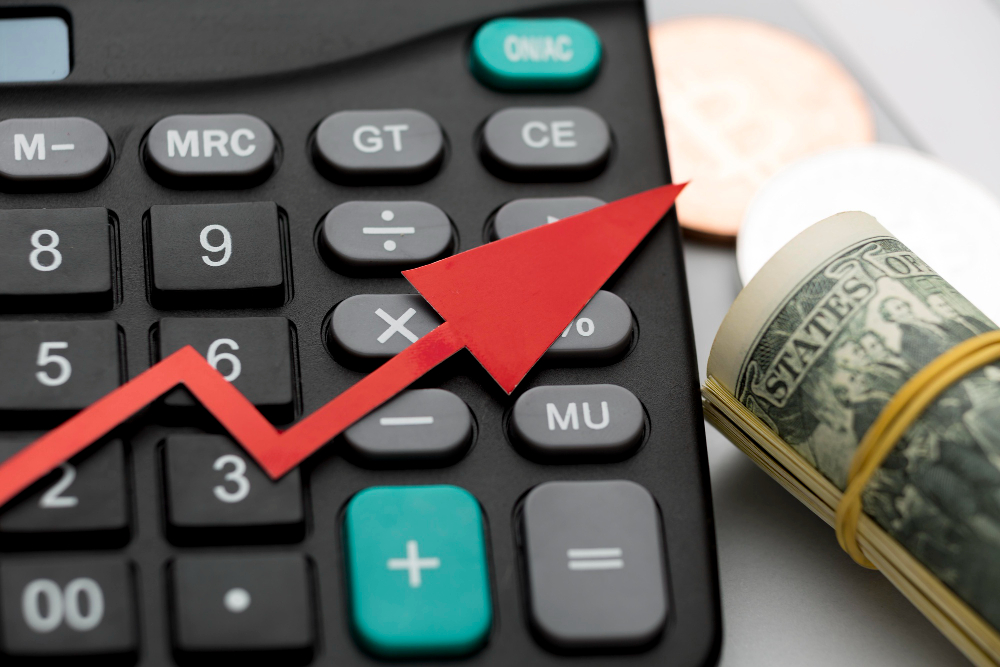
Given this context, understanding how inflation affects credit card rewards is essential for anyone wanting to maximize the value of their spending.
U.S. Inflation Trends at Present
After reaching highs in 2022 and 2023, inflation rates in the U.S. are now beginning to ease.
Although the Consumer Price Index (CPI) still shows increases in certain months, these are no longer as severe as the peaks seen earlier.
This moderation offers some relief, but it doesn’t erase the lasting effects of past price surges: many products and services remain more expensive than before the inflation rise.
How Inflation Affects Credit Card Rewards
1. Fixed Spending Caps
An important but often overlooked effect is that many credit cards set fixed spending caps for earning bonus rewards.
These spending caps — like the $X limit to earn 5% cashback — frequently remain unchanged year after year.
Because of inflation, these limits effectively lose their value. You reach the cap faster in terms of actual buying power, and extra rewards don’t rise accordingly.
Bankrate highlights this issue: even when spending thresholds stay fixed, the real purchasing power they represent declines over time.
2. Points and Miles Losing Value
Many issuers have moved away from fixed redemption values in points or miles programs, adopting dynamic pricing that reflects current market trends.
Put simply, when airline ticket prices rise, the number of miles needed to redeem those tickets increases as well. This causes points to lose their true worth.
Additionally, since points and miles don’t generate financial returns like stocks, bonds, or inflation-adjusted investments, their purchasing power gradually declines over time.
3. Diminished Flexibility in Extra Perks
During inflationary periods, consumers typically favor rewards that are more liquid and versatile—such as cashback or instant discounts—rather than premium extras like VIP lounge access or exclusive event invitations.
As wallets tighten, priorities shift. Credit card issuers notice that in inflationary times, consumers tend to prefer cashback and flexible rewards over lavish or complicated benefits.
Practical Impacts on Credit Card Users Today
Everyday Spending and Important Categories
When your credit card offers bonus rewards for essentials like groceries, fuel, pharmacies, or meal delivery, these perks can be particularly valuable amid inflation, helping to ease the cost of routine purchases.
However, these perks frequently come with restrictions or maximum limits (such as “5% cashback up to $X per quarter”). During periods of rising costs, these caps may reduce the overall benefit to consumers.
Credit Costs and Rising Interest Rates
Maximizing rewards means little if you carry a balance on your card, as interest charges can outweigh those benefits.
Credit card interest rates tend to be high, and as inflation and benchmark rates climb, the cost of revolving credit usually rises as well.
Therefore, paying off your full balance promptly is crucial. This ensures your rewards remain valuable despite any fees or interest.
Rethinking Your Credit Card and Rewards Strategy
- Choosing a simple cashback card without restrictive category caps
- Moving to programs that reward essential purchases more generously
- Picking cards with redemption options that are less affected by price fluctuations
- Redeeming rewards sooner rather than letting them build up over time
Key Insights into U.S. Market Trends for 2025
- In 2025, more than half (53%) of cardholders carried revolving balances, which often erode rewards through interest fees.
- Reports suggest that cards with annual fees tend to generate higher satisfaction among users with solid financial footing.
- Evidence points to rewards becoming less generous over time, with many users feeling they offer diminishing value.
Tactics to Boost Rewards During Inflationary Periods
- Prioritize spending in categories with the highest rewards
- Keep track of any spending limits or caps
- Maintain strong liquidity and steer clear of debt
- Redeem rewards regularly to maximize value
- Diversify the types of rewards you collect
- Stay informed about updates to rewards programs
- Use your cards strategically for major expenses

Related content
How to Conclude 2025 with Financial Strength
A practical guide to bolster your finances, reduce debt, and confidently step into 2026.
Keep reading * You will be directed to an external website How to Conclude 2025 with Financial Strength
Keep reading You will be directed to an external website