
Top Credit Card Frauds to Watch Out for When Traveling Overseas
Conheça os golpes mais frequentes com cartão de crédito que afetam os brasileiros, seja em casa ou durante viagens internacionais — e saiba como se proteger.
Tips for American Travelers to Steer Clear of Financial Pitfalls Overseas
Travelers within the U.S. and abroad get to immerse themselves in different cultures, savor new cuisines, and build lasting memories.
Yet, amid these experiences, there’s a persistent threat many Americans fail to notice: scams targeting credit card users.
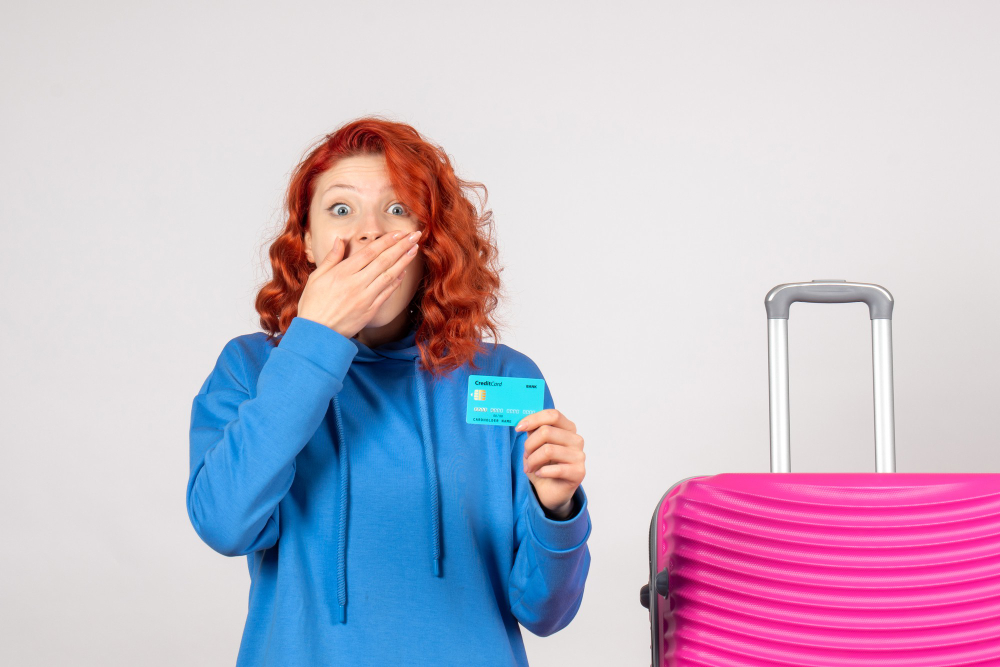
Knowing how common credit card scams operate is key to safeguarding your money and avoiding complications during and after your journey.
Top Credit Card Scams Travelers Face Abroad
1. ATM Skimming
Skimming is one of the most common scams targeting travelers, where fraudsters attach fraudulent devices to ATMs to steal card information and capture your PIN.
In certain locations, scammers even conceal tiny cameras to film you entering your PIN, giving them full control over your card’s available funds.
How to avoid it:
- Only use ATMs inside banks or in well-lit, busy locations.
- Always shield the keypad when typing your PIN.
- Be wary if the ATM looks tampered with, loose, or has unusual parts.
2. Manipulated Card Devices in Restaurants and Retail Stores
In certain places abroad and even in the U.S., servers or salespeople might take your card away from the table, which can appear to be normal procedure.
Sometimes, tampered machines are used to swipe the card. Both methods create opportunities for your card data to be copied or cloned.
How to avoid it:
- Request the card reader to be brought to your table.
- Choose busy, well-known venues whenever possible.
- Activate alerts on your banking app to get instant transaction notifications.
3. Misleading Dynamic Currency Conversion
When using a card, many travelers are offered the choice to pay in U.S. dollars rather than the local currency.
While it may appear helpful, this option often comes with excessive conversion charges.
How to avoid it:
- Opt to pay in the local currency whenever possible.
- Review your card issuer’s currency conversion fees beforehand.
4. Fraudulent Travel Websites and Mobile Apps
Long before departure, many Americans get scammed when reserving hotels, flights, or tours via fake travel sites.
These fraudulent platforms steal card information and can lead to unauthorized transactions.
How to protect yourself:
- Stick to official sites or reputable platforms like Expedia or Booking.com.
- Read customer reviews and verify the website URL for authenticity.
5. Frauds in Local Transport Services
In certain areas, taxi or private drivers might deliberately enter a higher fare on the payment device, charging far more than the true cost of the trip.
Tips to prevent this:
- Use trusted ride apps like Uber or Bolt.
- Verify the fare amount before approving payment.
6. Public Wi-Fi and Data Theft
Public Wi-Fi networks found in airports, hotels, and restaurants often serve as entry points for scams, including sophisticated cyberattacks.
Cybercriminals can capture card and banking information if it’s sent over unsecured connections.
How to stay safe:
- Avoid entering card details on public Wi-Fi.
- Always use a VPN to secure your internet connection when traveling.
How Banks and Card Issuers Help Protect You
Many U.S. credit card issuers like Chase, Amex, and Capital One provide fraud detection, monitoring, and the ability to block suspicious transactions.
However, it remains the traveler’s duty to be vigilant and take proactive steps.
Informing your bank ahead of travel helps prevent transaction blocks from unexpected activity. Also, bringing multiple cards and some cash can offer extra security in emergencies.
Safety Checklist for American Travelers
- Inform your bank about your travel dates and locations.
- Turn on transaction alerts for instant updates on your phone.
- Carry cards from multiple networks; acceptance varies by region.
- Store extra cards in hotel safes instead of carrying all daily.
- Keep emergency contact numbers for your bank accessible at all times.
Many of these scams depend not just on technology but also on travelers being distracted or placing too much trust in others.
Fraudsters exploit moments when travelers are rushed, don’t speak the local language well, or are unfamiliar with local financial customs.
Recognizing this psychological aspect is just as crucial as understanding the technical details behind these scams.
A vigilant traveler who stays aware of their surroundings and questions doubtful situations greatly lowers their chance of falling victim to scams.
Related content
Finding Budget-Friendly Destinations
Check out the best tips to save money when traveling in the U.S. Believe it—you can enjoy yourself without spending a fortune.nn
Keep reading * You will remain on the current website