Mindless Spending? Exploring the Psychology Behind Tap-to-Pay
O pagamento por aproximação já faz parte do cotidiano financeiro do país. Isso é positivo, mas é importante que você compreenda como seu cérebro funciona nesse contexto.
Exploring the Psychology Behind Tap-to-Pay Technology
When you travel, you enter a world that’s increasingly digital and convenient, with services like ride-hailing apps, online bookings, and automated hotel check-ins becoming the norm.
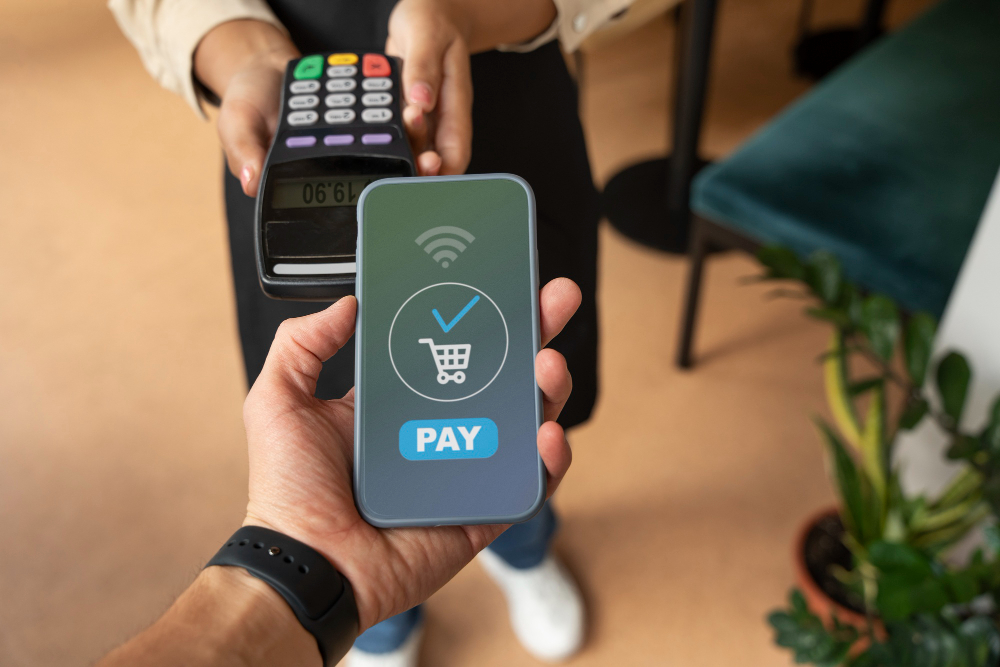
One particular innovation has reshaped how travelers handle payments: tap-to-pay, also known as contactless payment methods.
How Tap-to-Pay Has Gained Traction in the U.S.
Over the past few years, contactless payments have surged in popularity across the U.S., with more than half of face-to-face purchases in major urban areas now made using this method.
For travelers, this is a major convenience. Instead of fumbling with dollar bills or searching for an ATM, you simply tap your card or smartphone to pay.
It also boosts security by cutting down the need to carry large sums of cash, while helping you skip long queues.
The psychology behind “invisible money”
Research in consumer behavior repeatedly shows that the less tangible money feels, the more easily we spend it.
When paying with cash, the physical sight and touch of bills and coins create a clear sense of parting with money. Using a card softens that effect, and tap-to-pay nearly erases the sensation of spending altogether.
Psychologists refer to this as the “pain of paying.” It’s the natural unease we experience when handing over cash, serving as a mental deterrent. With contactless payments, that deterrent nearly disappears.
A study from the University of Chicago found that diners using tap-to-pay in restaurants were willing to spend up to 20% more than those paying with cash. This happens because the payment feels quick and nearly invisible, reducing the usual feeling of loss.
Travelers and the “magic card” phenomenon
Imagine you’re in Orlando, strolling through a theme park. Feeling warm, you grab a cold drink.
Then a souvenir, a snack, and a ticket for a special ride—all paid with a simple tap of your card.
The “magic card” gives the false impression that spending isn’t really happening. For travelers in vacation mode, this feeling becomes even more intense.
How exchange rates and currency conversion influence spending
One key psychological element is the exchange rate. When abroad, many travelers don’t mentally convert their expenses—especially with currencies like pounds or euros, which are typically stronger than the dollar.
Tap-to-pay hides this step: you simply tap and move on. The issue arises when the statement comes in, revealing the true cost affected by exchange rates.
This phenomenon is known as “monetary disconnection”: failing to link foreign currency spending with its real impact on our finances.
The ease of technology adds to this disconnect, making it more difficult to keep track of expenses while traveling.
Advantages that are hard to overlook
Even with its psychological downsides, tap-to-pay offers numerous perks for travelers.
It’s convenient and enhances protection against fraud. If your card is lost, you can quickly block it—something impossible with cash.
Additionally, tap-to-pay integrates smoothly with travel apps like Google Wallet and Apple Pay, letting users keep all their expenses organized and track them instantly.
Several banks now send immediate alerts for every transaction, helping people maintain better oversight of their spending.
When traveling with family or friends, tap-to-pay offers a convenient way to share expenses. Everyone can have their own card linked to a shared account and tap independently, eliminating the need to carry cash.
Tips to prevent impulsive spending
- Set a daily budget – decide your spending limit each morning and stick to it throughout the day.
- Turn on bank notifications – getting alerts for every purchase helps keep your spending top of mind.
- Mentally convert prices – whenever you can, estimate costs in your home currency to reduce the “magic money” feeling.
- Use separate cards – assign one card for meals, another for shopping, and a third for transit to better track spending.
- Check your expenses nightly – spend a few minutes before bed reviewing transactions to avoid surprises later.

Related content
Best Places for Educational Getaways
Combining learning with relaxation can transform the way you view your next trips—see how to plan! Check out more!nn
Keep reading * You will remain on the current website