
Securing Smarts: The Growing Trend of Intelligent Home Insurance
If you're passionate about both travel and technology, it's important to consider not just your own safety but also how to keep your home secure.
Stay Sharp When It Comes to Safeguarding Your Home!
Simply locking your doors and carrying your keys isn’t enough anymore to ensure your home’s security.
In our connected world, gadgets like cameras, sensors, and voice assistants have become everyday essentials.
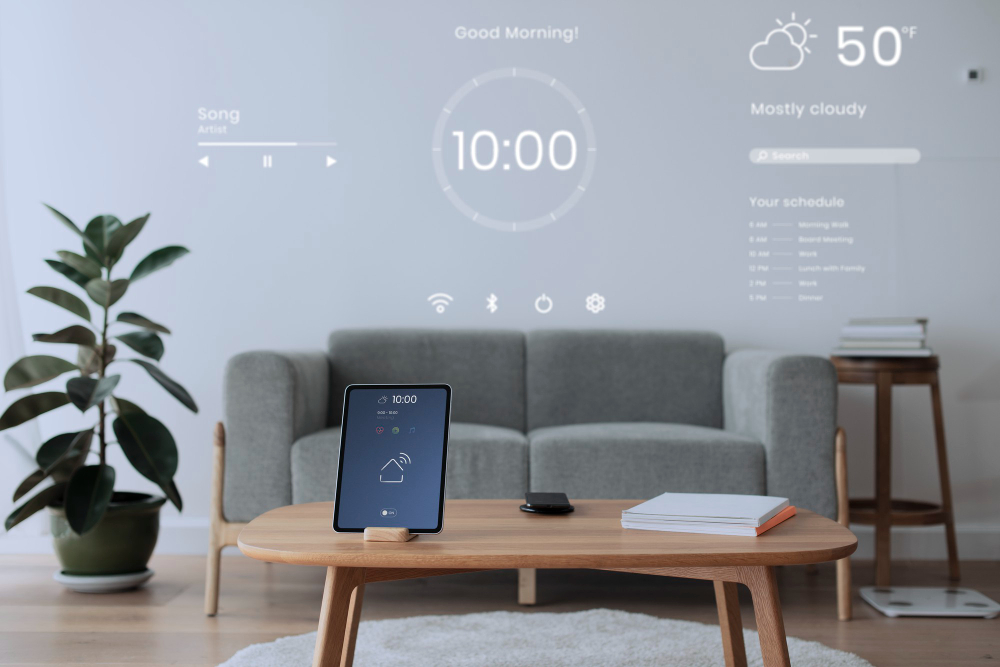
If you’re often traveling or working remotely, making sure your home stays protected while you’re gone is a top concern.
Understanding Smart Home Insurance
Smart home insurance represents a modern upgrade to traditional homeowners’ coverage. It incorporates internet-enabled devices like AI-driven cameras, smart locks, connected thermostats, and other automated home systems.
This allows insurers to provide tailored policies, often including discounts for homes equipped with enhanced security measures.
Understanding Today’s American Traveler
Travelers today are different. Many now keep permanent residences while balancing remote work and frequent trips.
For frequent travelers, adopting smart home technology is a smart investment.
Having a smart home is vital, but equally crucial is securing intelligent insurance coverage—this is where tailored policies make a difference.
How Does This Work in Real Life?
Picture yourself flying from San Francisco to Paris when your home’s security system detects unexpected activity in the garage.
You immediately receive an alert on your phone. In moments, you access the live camera, recognize it’s just the gardener, and turn off the alarm.
Now, if it had been a break-in, the system would automatically save the video, alert law enforcement, and relay real-time information to your insurer.
Typical Coverage Options Available for Smart Homes
Leading insurers across the U.S. have introduced plans that cover smart home technology, protecting you against:
- Intrusions and property damage
- Fire incidents with remote alerts
- Water leaks spotted by smart detectors
- Electrical malfunctions or shorts in connected systems
How Much Does It Cost?
Here’s some encouraging news: homes equipped with smart devices often qualify for reduced insurance premiums.
Many insurers now provide discounts ranging from 10% to 20% on yearly premiums for homes equipped with monitored smart security systems.
Moreover, companies like Allstate, State Farm, Lemonade, and Hippo are increasingly collaborating with smart device brands such as Ring, Nest, Vivint, and SimpliSafe.
For instance, a house that keeps its sensors active, cameras operational, and heating remotely controlled tends to face fewer serious damages—and thus benefits from lower insurance costs.
Data That Can Help—or Harm
A major transformation in smart home insurance comes from incorporating behavioral data into risk assessments.
Rather than depending on fixed details like ZIP code, property worth, or past claims, modern policies analyze:
- If security systems are regularly active
- Whether devices receive proper upkeep
- How the system reacts to emergencies like fire, flooding, or break-ins
By using live data, insurers can incentivize proactive habits — but may also charge more to homeowners who often deactivate systems or neglect upkeep.
Smart Home Solutions for Frequent Travelers
When you’re away more often than at home, smart home insurance offers both peace of mind and financial protection.
No matter if you’re far away across the country or halfway around the globe, your home stays alert, instantly reporting any problems.
Technology paired with insurance creates a seamless protection loop, where sensors identify risks, send alerts, and help stop issues before they escalate.
This enables your insurer to respond swiftly and efficiently—giving you confidence and security while you’re away.
The Future of Home Protection
Looking ahead, smart home insurance is expected to become the norm rather than a rarity.
As the Internet of Things (IoT) grows, smart devices won’t just interact among themselves — they’ll also connect directly with insurers, creating a self-regulating, adaptive protection network.
With ongoing advances in AI technology, we can anticipate systems that forecast potential dangers before they arise, helping to avoid issues ahead of time.
Essential Checklist for Connected Travelers
Before you head out, consider these smart precautions to secure your home:
- Set up motion detectors and smart cameras with remote viewing
- Install digital locks that track entry and exit times
- Link smoke and water detectors to your Wi-Fi system
- Activate round-the-clock monitoring and share access with a trusted person
- Notify your insurer about your smart devices — you could earn a discount!

Related content
Mastering Crypto Taxes: Top Tools for 2025
Are you aware that cryptocurrencies and similar digital assets must be reported on your yearly tax filings?nn
Keep reading * You will remain on the current website