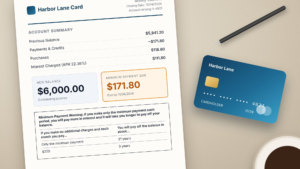
Grasping the Difference Between Statement Date and Due Date
Avoid Late Fees and Interest Charges
Credit cards play a crucial role in everyday spending, covering everything from regular shopping and subscriptions to travel and essential bills.

Despite being widely used, the terms statement date and due date often confuse many cardholders.
Knowing the difference between these dates is key to avoiding interest and fees, as well as improving your ability to manage cash flow effectively in the U.S.
What the Statement Date Means
Also known as the closing date, this is when the bank or card issuer wraps up the billing cycle.
On this day, all transactions since the last closing are totaled and compiled into an official document called the credit card statement.
Every purchase made up to the statement date appears on that billing cycle’s statement, while charges after this date will be included in the following statement, no matter the due date.
Knowing this helps anyone who wants to track their spending and plan payments efficiently.
What the Due Date Means
The due date is the last day to pay your credit card bill. By this deadline, you must at least cover the minimum amount to avoid fees and prevent harm to your credit rating.
To avoid paying interest, it’s advisable to pay the full statement balance by the due date, which usually occurs 21 to 25 days after the statement date.
This timeframe is known as the grace period, during which card companies allow you to pay without interest as long as the total balance is paid by the due date.
Clarifying the Main Difference Between Statement Date and Due Date
Many consumers in the U.S. mistakenly think these dates are identical, but they actually serve very different purposes.
- The statement date identifies which transactions appear on your billing statement.
- The due date specifies when payment for that statement must be made.
The Impact of These Dates on Interest Charges
In the U.S., how credit card interest is applied depends heavily on the due date.
Settling the full statement balance by the due date prevents any interest from accumulating on that billing cycle’s charges.
If you pay only the minimum or miss the due date, interest will begin accruing on the outstanding balance from that point forward.
Many credit cards carry an annual percentage rate (APR) that can exceed 20%, making missed payments particularly expensive.
Impact on Your Credit Score
If payments are made past the due date, they can be reported as late to credit reporting agencies, especially once they are more than 30 days overdue.
The statement date can affect your credit score indirectly, since banks usually report the balance used at that time to credit bureaus.
Even when the balance is cleared later, a high utilization rate on the statement date can boost your credit utilization ratio, which plays a major role in your credit score.
Effective Strategies Using These Important Dates
Understanding the difference between the statement date and due date allows you to apply simple yet powerful financial strategies.
A useful approach is to make major purchases just after the statement date, which extends the time you have before payment is due, helping improve cash flow without triggering interest charges.
An additional tactic is to pay down your balance before the statement date, reducing the amount reported and supporting a lower credit utilization ratio.
Aligning these dates with your personal cash flow schedule helps ensure payments fall during periods of higher available funds, such as just after receiving your paycheck.
Adjusting Dates Directly with Your Card Provider
In the U.S., many credit card companies allow users to modify their payment due dates. This option helps align payments with your paycheck schedule, reducing the risk of missing deadlines.
Usually, changing the due date triggers an automatic update of the statement date, keeping the gap between billing and payment consistent.
This simple adjustment can significantly improve how you manage your monthly budget.
Common Pitfalls to Avoid
One frequent mistake is assuming that paying shortly after the statement date means you can ignore the due date. It’s important to ensure the full balance is settled properly, even if you make an early payment.
A common error is confusing the statement balance with the current balance. To avoid interest charges, payments should cover the statement balance, as the current balance may include recent transactions not yet posted.

Related content
Exploring the FIRE Approach
An overview of the FIRE strategy: how Americans can achieve financial independence through strategic saving and investing.nn
Keep reading * You will be directed to an external website