Savvy Financial Strategies for the New Era of Saving
Finance today isn’t just about stashing cash away at the start of the month and calling it a day. In 2025, managing your money demands a far deeper approach.
Effective Ways to Save Money During Economic Downturns
While saving money has always posed difficulties, the challenges have intensified considerably in recent times.
Ongoing inflation in the U.S., rapid advances in financial technology, and evolving spending patterns have combined to create a situation where saving demands greater planning and mindfulness.
An Economy Undergoing Major Changes
The U.S. is currently experiencing rising prices across essential goods, including food, housing, transportation, and even recreational activities.
This creates strain on consumers’ budgets, pushing them to rethink how they manage their finances.
The traditional advice to simply “save 10% of your income each month” no longer suits many people’s current situations.
Adapting to the new savings landscape means being flexible: some months you might save more, other months less, but staying consistent and disciplined remains key.
The Psychological Weight of Spending
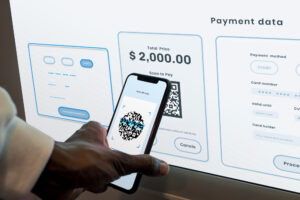
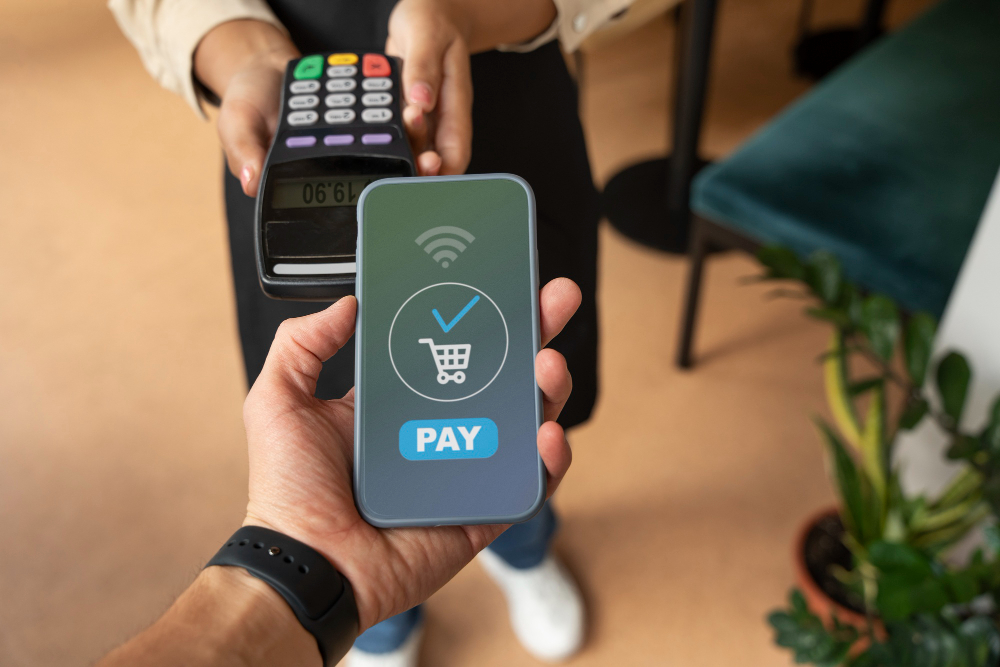
Tools like Apple Pay, Google Wallet, and contactless cards have contributed to making money feel less tangible.
Studies reveal that when we don’t physically handle cash, it’s easier to spend more than intended.
That’s why using control methods—like instant alerts for purchases, setting daily spending caps, and splitting expenses across multiple cards—can help combine convenience with mindful money management.
Harnessing Digital Tools for Smarter Financial Planning
Budgeting apps today track your spending live, providing clear breakdowns of where every dollar is allocated.
This feature is especially valuable for travelers who must manage multiple currencies and fluctuating exchange rates that affect their total expenses.
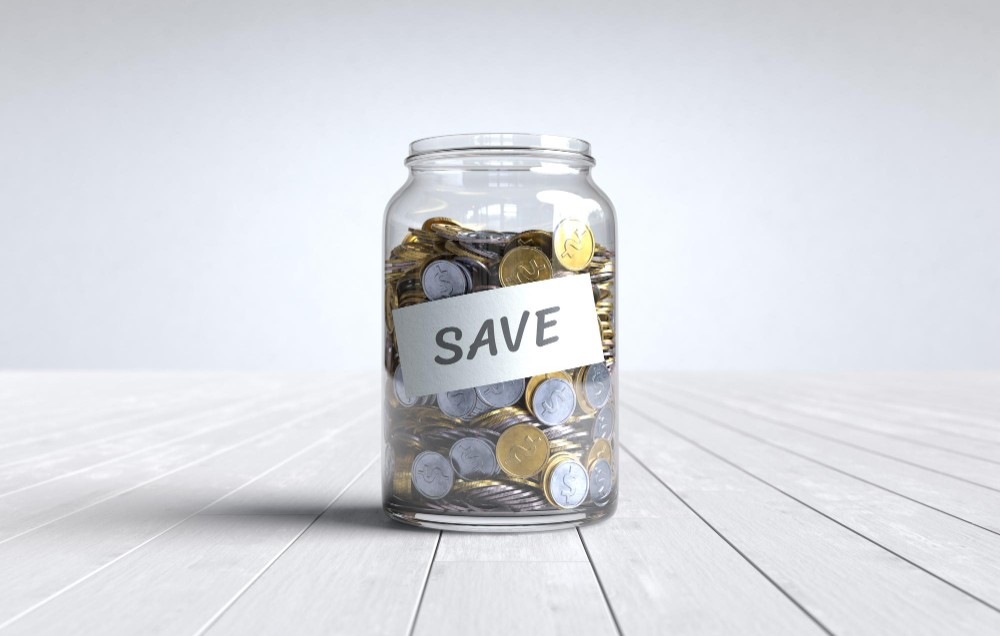
Moreover, fintech firms have made popular tools such as round-up savings and digital piggy banks that automatically save small amounts for you.
Inflation and Interest Rates: What’s the Best Response?
Rising inflation in the U.S. has pushed up prices for basic goods, prompting the Federal Reserve to increase interest rates.
This shift has benefited savers: high-yield savings accounts now pay between 4% and 5% annually, which is significantly higher than rates from just a few years back.
Therefore, placing funds in digital banks or credit unions can be an effective strategy to safeguard your money while keeping it accessible.
Understanding the Emerging Trends in Conscious Consumerism
Adapting to the new savings landscape means reevaluating what matters most.
Many Americans now embrace conscious consumption, where purchases are judged not just by cost but by the meaningful benefits they bring to daily life.
For instance, investing in experiences that leave lasting impressions often outweighs buying more possessions.
Meanwhile, habits like researching before purchasing, using price comparison apps, and applying digital coupons have become widespread ways to save without giving up quality.
Effective Methods to Boost Your Savings
- Set adaptable budgets: define spending ranges instead of fixed amounts to ease pressure during costly months.
- Activate bank app notifications: receive timely reminders that highlight how each purchase affects your finances.
- Allocate cards by spending type: use separate cards for groceries, transit, and entertainment to simplify tracking.
- Leverage rewards programs: many U.S. credit cards offer cashback or points redeemable for travel perks like flights or hotel stays.
- Check expenses nightly: a brief daily review helps prevent unexpected charges on your statement.
How Travel Fits into the Savings Equation
Travel often puts your financial self-control to the toughest test.
The change of scenery, eagerness to fully enjoy the moment, and the excuse of “just this once” frequently lead to overspending temptations.
That said, it doesn’t mean missing out on the experience; it’s about balancing your expectations with your budget.
By planning in advance, allocating funds for unexpected costs, and leveraging apps to monitor spending live, you can enjoy travel without endangering your financial health.
Looking Ahead: The Evolution of Personal Savings
All signs point to a growing fusion of spending habits, saving strategies, and technological innovation.
Meanwhile, digital banks are advancing automated savings features, increasingly connecting everyday purchases directly with saving money.
Under these conditions, managing money won’t focus on harsh cutbacks but rather on making informed, moment-to-moment choices. The discomfort of spending may lessen, yet being conscious of every transaction becomes essential.
Related content
The Psychology of Tap-to-Pay
Tap-to-pay has already become part of the country’s financial culture. And that’s a good thing, but you need to understand your brain.nn
Keep reading * You will remain on the current website