
Boost Your Financial Prospects: Simple Ways to Raise Your Credit Score
Explore practical tips to elevate your credit score with actionable guidance. Unlock better loan opportunities, enjoy lower interest rates, and take the first step toward financial freedom today!
Understanding Credit Scores
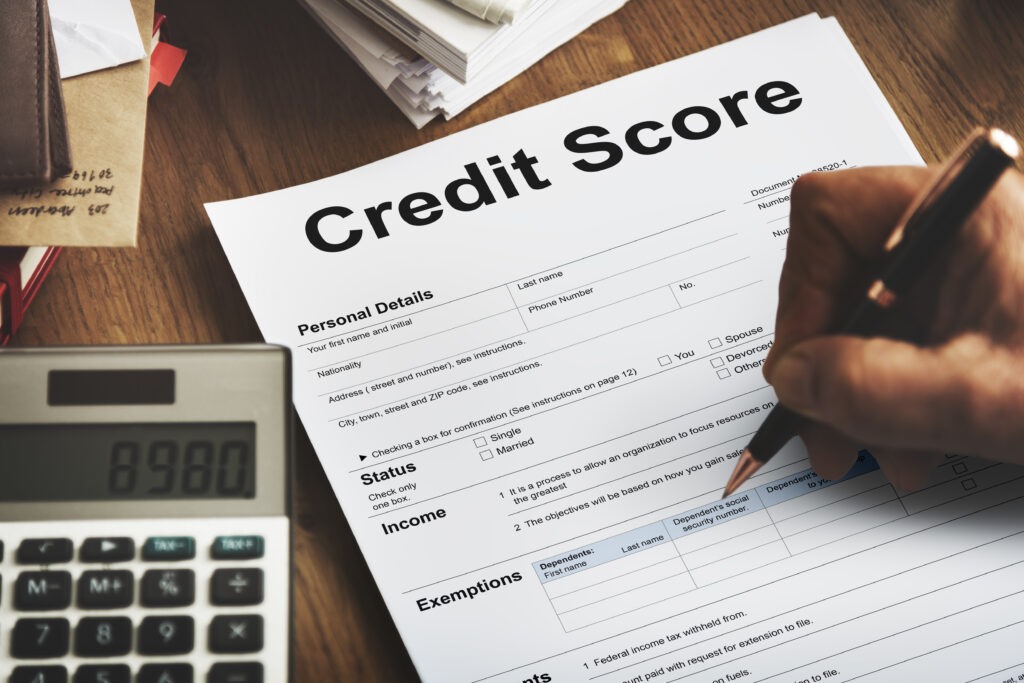
Your credit score is an essential financial indicator that affects many aspects of your life. It reflects your consumer behavior and helps lenders and businesses determine how trustworthy you are as a borrower or customer.
If you’re unfamiliar with credit scores or why they matter, this post offers a great starting point to understand their value and impact.
Why Your Credit Score Matters
Your credit history plays a key role in financial decisions. When you apply for credit or loans, lenders review your score to decide your creditworthiness. This number affects the credit limits you get approved for, the terms of your loans, and the interest rates you’ll pay.
Developing strong financial habits and maintaining a high credit score positions you as a trustworthy borrower, granting access to advantages that might otherwise be out of reach.
What Exactly Is a Credit Score?
A credit score is a number derived from your financial activities. When you consistently pay bills on time and honor your commitments, this number reflects your reliability with credit.
On the other hand, poor financial behavior or missed payments will lower your score. Credit bureaus track your financial actions and use them to calculate your current credit rating.
Credit scores generally fall into these categories:
- Poor: Typically caused by missed payments and carrying large credit card balances.
- Fair: Often results from occasional late payments or small credit missteps.
- Good: Reflects mostly timely payments, though not without minor flaws.
- Excellent: Represents punctual payments and careful credit use.
Breaking Down the Key Elements of Your Credit Score
Your credit score depends on several important factors. Understanding these can help you take control of your financial well-being:
- Payment History: This is vital for your score. Lenders want assurance you pay bills on time. Missing payments can significantly lower your score.
- Credit Utilization: Measures how much of your credit you use. Staying under 30% is seen as responsible credit behavior.
- Length of Credit History: Longer histories show lenders you can manage credit wisely over time.
- New Credit Inquiries: Each credit application results in a “hard inquiry.” Too many in a short time can raise red flags, so space them out.
- Credit Mix: Having different types of credit, like cards and loans, can improve your score by showing versatility in handling debt.
Why Improving Your Credit Score Matters
Your credit score is more than just a number; it opens up a range of financial opportunities:
- Improved Loan Terms: A strong credit score marks you as a trustworthy borrower, often resulting in reduced interest rates and notable savings.
- Increased Approval Chances: A good score raises your likelihood of approval for credit cards, loans, or rental applications.
- Long-Term Savings: Lower rates mean you pay less interest over time, potentially saving you thousands of dollars.
Effective Techniques to Raise Your Credit Score
On-Time Bill Payments
Payment history plays a key role. Late or missed payments can severely damage your credit. To keep payments punctual:
Set reminders on your phone or calendar to keep track of payment deadlines. Enabling autopay can help guarantee that at least the minimum amount is paid each month, preventing missed payments.
Effectively Manage Your Credit Usage
High credit card balances can lower your score even if payments are made on time. Lenders favor low credit usage ratios. Here are ways to keep it in check:
Aim to keep your credit utilization below 30% of your total credit limit. For example, with a $10,000 limit, try to keep your balance under $3,000. Whenever possible, pay off your balance in full or make multiple smaller payments during the month to maintain a low utilization ratio.
Further Tips to Consider
Keeping an eye on your credit score regularly is essential. Errors can occur, and it’s important to correct them promptly. There are many online resources available to help you monitor your score with ease.
As mentioned earlier, keeping a strong credit score can help you obtain better financial offers, enabling you to save money and improve your overall financial planning.