Voice Payments: Are They the Next Step in Transaction Technology?
Using your voice to make payments isn’t just a futuristic idea anymore — it’s becoming a practical option for many who use credit cards today.
Could Voice Payments Be the Future of Card Transactions?
Imagine this: you’re driving home and suddenly realize you forgot to buy your nephew’s birthday present. You just say, “Alexa, order the LEGO Star Wars set and have it delivered tomorrow.”
All done.
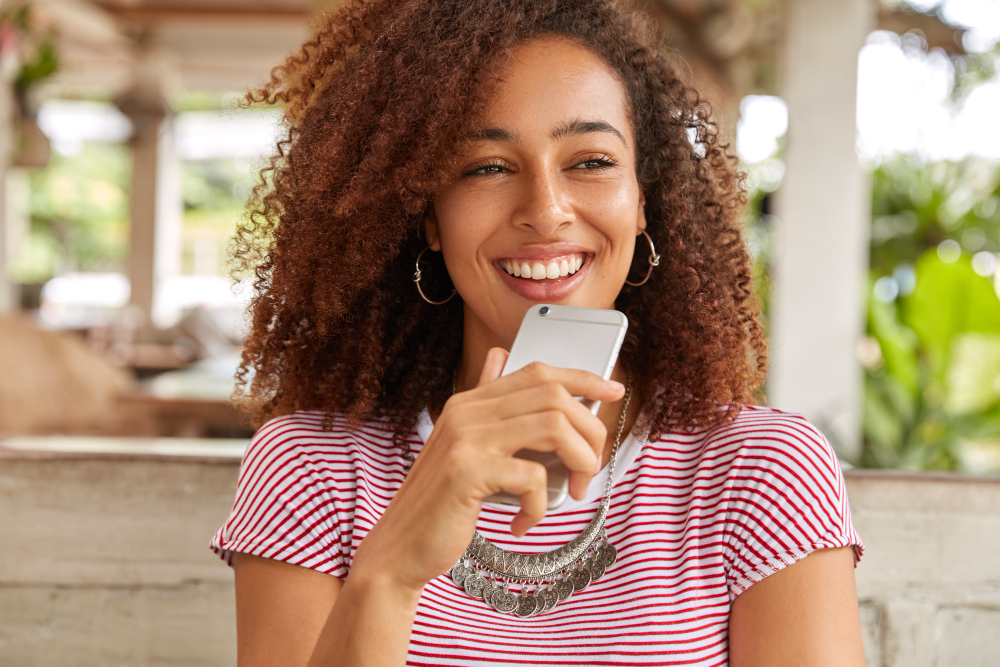
Purchase finalized. No need to take your hands off the wheel, unlock your phone, or even look at the screen.
But how secure is this convenience? Is it really going to stick around?
How Exactly Do Voice Payments Work?
It’s straightforward: voice payments let you finalize purchases or send money simply by talking to virtual helpers like Amazon’s Alexa, Apple’s Siri, or Google Assistant.
These assistants connect directly to your bank accounts, credit cards, or services such as Apple Pay, Google Pay, and PayPal.
Here’s what you might say:
- “Hey Siri, send $25 to Maria via Venmo.”
- “Alexa, pay my electric bill.”
- “OK Google, order coffee beans on Amazon.”
All without needing to type anything. Depending on your preferences, you might not have to enter a password either—your voice serves as a biometric key.
Where in the U.S. Is This Technology Already in Use?
The U.S. is at the forefront of adopting this innovation. Major tech giants such as Amazon, Google, and Apple are investing heavily in voice payment solutions.
Financial institutions like Capital One, Wells Fargo, and Bank of America have already integrated voice features into their apps.
While it’s not yet widespread, the technology is definitely accessible. Here’s a glimpse of what’s possible:
- Settle bills using voice commands.
- Get your account balance instantly.
- Make purchases online by voice.
- Order meals through linked apps.
- Top up your phone or transit pass.
Benefits: What Makes It So Popular?
Hands-Free Convenience for Everyday Life
Whether you’re cooking, driving, or holding a child, you can complete payments without having to pause and reach for your phone or card.
Speedier Payment Experience
Speak your command, and the payment is made. No need for apps, passwords, or multi-step verification. It’s fast and simplifies your routine.
Improved Accessibility
Voice payments offer significant advantages for people with visual challenges or limited mobility, making shopping more accessible to everyone.
Seamlessly Integrates into Everyday Life
If you already rely on a virtual assistant for tasks like adjusting lights, playing tunes, or getting weather updates, using it to make payments feels like a natural next step.
Is It Secure?
Many platforms now rely on voice biometrics to recognize distinctive traits such as pitch, rhythm, and speech patterns.
These systems can even recognize attempts to imitate your voice and add extra security measures such as PIN codes, passwords, or facial recognition.
However, security is still advancing. Technology firms remain vigilant as hackers and voice deepfake scams grow more sophisticated.
Because of this, many services restrict the transaction types and limits you can complete using voice commands alone.
Real Risks
Unintentional Commands
Picture someone mentioning “Alexa, buy toilet paper” in casual talk—and the assistant acts on it. Believe it or not, that’s happened before.
Scams Using Fake Voices
Thanks to AI, counterfeit voices can mimic you almost perfectly. This poses a big risk, especially if you haven’t activated two-factor authentication.
Risks of Data Exposure
If someone hacks or misconfigures your device, sensitive info like bank data or purchase history could be revealed.
Children Making Unintended Purchases
There are real cases where kids have racked up hundreds of dollars on toys through Alexa. That’s why setting up purchase limits and controls is crucial.
Should You Jump In Now or Hold Off?
If you’re comfortable with technology, already rely on virtual assistants, and want to simplify daily tasks, voice payments might be a great fit—especially for quick buys and straightforward orders.
Still, proceed with care:
- Turn on two-factor authentication.
- Establish limits on amounts and transaction types.
- Keep an eye on any odd device activity.
- Don’t let your devices listen constantly—use privacy settings wisely.
Looking Ahead: What’s Next?
Voice payment technology is expected to become more secure, intelligent, and seamlessly connected over time.
Thanks to progress in AI and biometric authentication, within a few years, we’ll likely handle nearly all transactions by voice: paying bills, splitting restaurant tabs, charging electric vehicles, and even negotiating banking fees through digital assistants.
Major tech firms are pouring billions into this sector, with experts forecasting that voice-driven transaction values will top $30 billion annually by 2030.

Related content
Buy Now, Pay Later with Your Credit Card
Easily split your payments using your credit card and enjoy flexible, budget-friendly options tailored to your needs.nn
Keep reading * You will remain on the current website