
Key Personal Finance Trends to Watch in 2025
Key Financial Moves That Defined 2025
In 2025, consumer financial habits across the U.S. underwent significant and lasting shifts.
These changes were especially apparent to travelers nationwide, as many vital services began relying heavily on savvy financial choices.
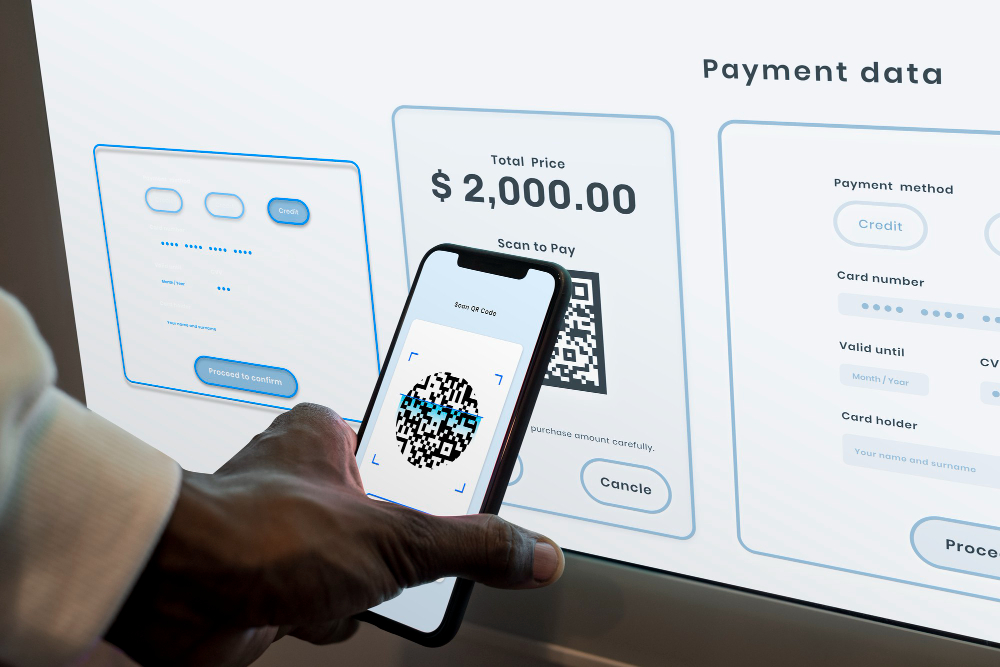
Here are the key financial trends that shaped personal money management in 2025 and set new expectations for American consumers.
1. The Rise and Adoption of “Adaptive Budgets”
In 2025, Americans fully adopted adaptive budgeting as price shifts impacted key areas like food, lodging, transportation, and entertainment.
These systems adjust automatically, using spending habits and weekly cost forecasts to tailor budgets.
Tools like Copilot, Rocket Money, and Monarch Money use algorithms that track habits, sort expenses instantly, and recommend flexible spending caps.
2. Digital Wallets Take the Lead as the Main Payment Choice
By 2025, digital wallets like Apple Pay, Google Wallet, and PayPal saw their usage soar to new heights.
This preference grew stronger thanks to enhanced security, ease of use, and credit cards that offered increased cashback and rewards in select categories.
Contactless payments became the priority for restaurants, grocery stores, transit systems, and hotels.
Airports embraced digital solutions—from biometric boarding processes to swift transactions at duty-free shops.
3. More Aggressive Cashback Programs
With issuers competing fiercely, 2025 saw an escalation in more rewarding cashback offers.
Bonus cashback rates of 4% to 10% were common during promotions in categories like travel, dining, and online shopping.
Cards such as Chase Freedom, Capital One SavorOne, and Discover It gained attention for their rotating bonus categories and enticing sign-up rewards.
4. The Rise of On-Demand Insurance
Thanks to platforms like Lemonade, Boost, and Blink by Chubb growing rapidly, 2025 marked the shift when instant insurance moved beyond niche appeal to become a daily convenience.
These offerings let users buy coverage strictly for the time they need—whether that’s a day, a week, or the length of a particular trip.
Typical coverage options included:
- protection for checked luggage,
- insurance for electronic devices,
- coverage covering risky activities,
- insurance for rental vehicles,
- coverage for unforeseen cancellations.
5. BNPL Expands Into Essential Everyday Services
This trend grew as BNPL options appeared in areas once seen as unlikely, including domestic flights, hotel bookings, and even fuel purchases at selected stations.
Services like Affirm, Afterpay, and Klarna introduced installment plans with low or no interest for bigger expenses, particularly during peak times such as holidays and school vacations.
6. Credit Card APRs Soar — How Consumers Are Reacting
Throughout 2025, revolving credit APR surpassed 21% on multiple occasions. In reaction, many consumers turned to smarter debt management tactics such as:
- making payments before the statement closes,
- transferring balances to cards with 0% promotional APR,
- using personal loans at fixed APR to consolidate debt,
- regular weekly tracking of Credit Utilization Rate.
7. Expansion of High-Yield Savings Accounts
In 2025, high-yield savings accounts kept growing, frequently providing interest rates exceeding 4%.
Leading the charge were digital banks like SoFi, Ally, Discover Bank, and Synchrony, drawing in customers eager for quick returns and easy access to funds.
These accounts found new uses beyond just emergency savings.
Many people started leveraging them as short-term solutions to better manage cash flow during trips.
8. Fully Customized Card Rewards
Rather than fixed reward categories, issuers began analyzing spending habits to tailor rewards automatically toward the user’s top priorities.
Typical examples included:
- automatic cashback boosts at restaurants after several weeks of heavy dining,
- limited-time hotel bonuses during peak travel seasons,
- reward multipliers at popular retail chains,
- enhanced rewards for travel-related apps like Uber, Lyft, and DoorDash.
By tailoring rewards, personalization cut down on unused perks and boosted the true value of loyalty programs.
9. Expansion of Financial-Wellness Services
Financial wellness took on a broader role in 2025. Apps, digital banks, and credit card issuers introduced features that combined money management with emotional health, such as:
- tracking compulsive spending habits,
- goal-setting with gamification,
- access to financial coaching sessions,
- alerts designed to prevent overspending.
10. Complete Automation of Bill Payments
In 2025, automatic payments for key bills became the norm. This shift helped minimize missed payments, safeguard credit scores, and streamline overall money management.
The majority of U.S. banks rolled out autopay combined with predictive alerts, sending users early warnings about usage surges, rate changes, or unexpected fees.

Related content
Credit Score Boosting Tips for Year-End Spending
Discover strategic holiday spending tips in the U.S. to manage expenses wisely, maintain your FICO score, and boost financial health.nn
Keep reading * You will remain on the current website Credit Score Boosting Tips for Year-End Spending
Keep reading You will remain on the current website